FORMAX
How Far Can Traffic Data Go Beyond Navigation?
March 25, 2026
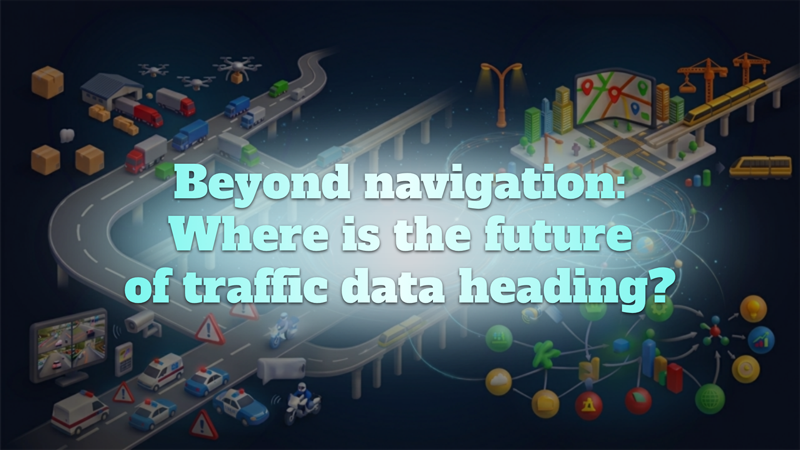
Traffic data has long been considered an essential element for optimal route guidance in navigation services.
However, with the advancement of data analytics, it is now evolving into a core data asset utilized across various industries such as logistics, urban planning, and autonomous driving.
In particular, traffic data—based on real vehicle movement—enables the analysis of urban structures and temporal patterns, significantly expanding its value and applicability.
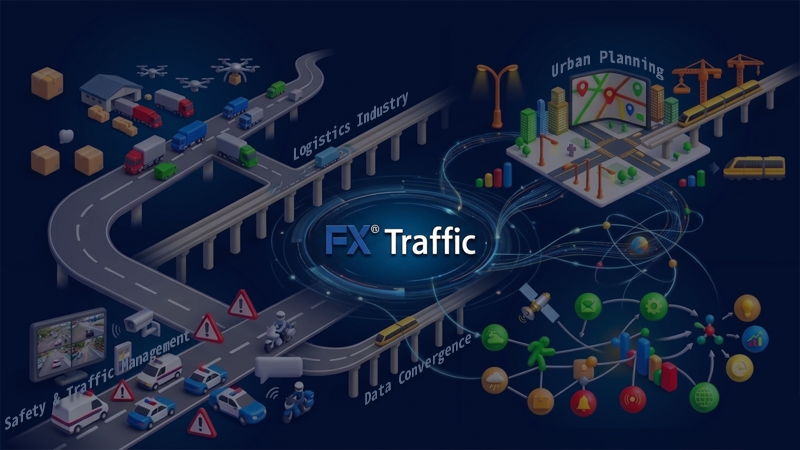
Logistics Industry
Traffic data plays a critical role in improving the efficiency of logistics services.
By reflecting real-time road conditions, it enables optimized delivery routes and more accurate arrival time predictions, ultimately enhancing service quality and customer satisfaction.
Urban Planning and Policy Making
Traffic data provides a quantitative foundation for understanding urban mobility.
It allows analysis of congestion hotspots, time-based traffic patterns, and the impact of specific events, contributing to more effective traffic policies and infrastructure improvements.
Safety and Traffic Management
Traffic data is also essential for road safety management.
By detecting abnormal traffic flows or sudden speed changes, it helps identify potential risk zones in advance and supports the establishment of proactive accident prevention and response systems.
Creating New Value through Data Fusion
Traffic data is increasingly being combined with other datasets to create new services and insights.
- Traffic + Weather Data
- Traffic + Population Flow Data
- Traffic + Advertising/Commercial Data
Such data fusion enables more advanced predictions and opens up new business opportunities.
FX TRAFFIC platform by Formax Network is designed to integrate with various industries, enabling data ecosystem expansion and the creation of new value.
We look forward to exploring new collaboration opportunities across diverse sectors.
However, with the advancement of data analytics, it is now evolving into a core data asset utilized across various industries such as logistics, urban planning, and autonomous driving.
In particular, traffic data—based on real vehicle movement—enables the analysis of urban structures and temporal patterns, significantly expanding its value and applicability.
Logistics Industry
Traffic data plays a critical role in improving the efficiency of logistics services.
By reflecting real-time road conditions, it enables optimized delivery routes and more accurate arrival time predictions, ultimately enhancing service quality and customer satisfaction.
Urban Planning and Policy Making
Traffic data provides a quantitative foundation for understanding urban mobility.
It allows analysis of congestion hotspots, time-based traffic patterns, and the impact of specific events, contributing to more effective traffic policies and infrastructure improvements.
Safety and Traffic Management
Traffic data is also essential for road safety management.
By detecting abnormal traffic flows or sudden speed changes, it helps identify potential risk zones in advance and supports the establishment of proactive accident prevention and response systems.
Creating New Value through Data Fusion
Traffic data is increasingly being combined with other datasets to create new services and insights.
- Traffic + Weather Data
- Traffic + Population Flow Data
- Traffic + Advertising/Commercial Data
Such data fusion enables more advanced predictions and opens up new business opportunities.
FX TRAFFIC platform by Formax Network is designed to integrate with various industries, enabling data ecosystem expansion and the creation of new value.
We look forward to exploring new collaboration opportunities across diverse sectors.